
11. Caernarfon Castle
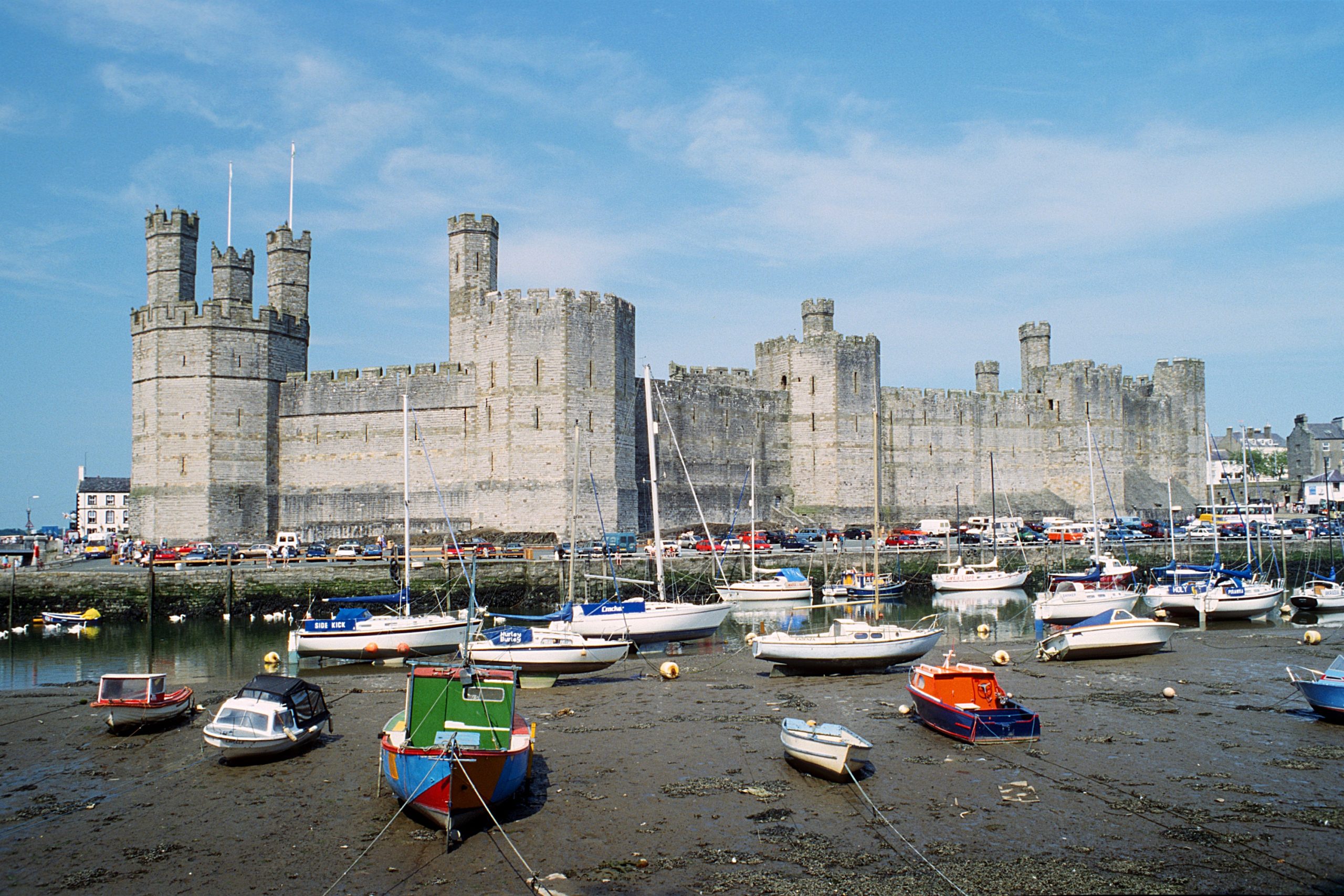
Caernarfon Castle sits proudly in north-west Wales, overlooking the mouth of the River Seiont and the town of Caernarfon. Built on the orders of Edward I from 1283 onwards, it formed a key part of the English king’s programme to dominate Wales and establish new administrative centres.
The design is distinctive: polygonal towers, richly banded stonework and monumental gatehouses give Caernarfon Castle a visual impact beyond mere military function. These features were partly intended to evoke imperial and Roman imagery, underlining the symbolic power of the fortress as much as its defensive capability.
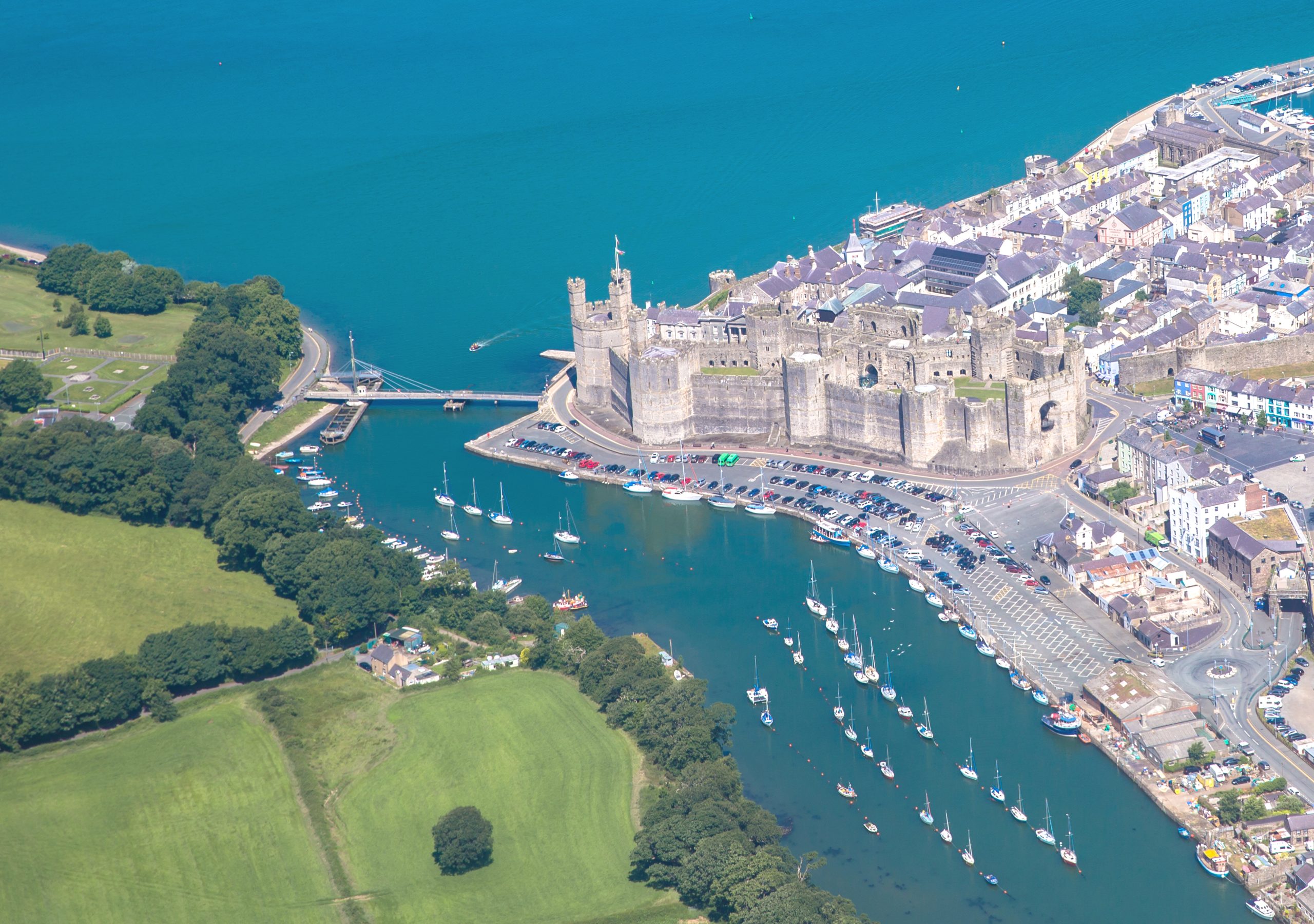
Although the castle’s outer walls and many towers survive in impressive condition, much of the internal accommodation was never fully completed. The complex served for centuries as both residence and garrison, although its military importance declined after the late Middle Ages.
In the 20th century the castle gained renewed prominence when it hosted the investiture of Charles III (then Prince of Wales) in 1969 — linking the site to modern ceremonial functions as well as historic ones. Today it is part of the UNESCO-listed “Castles and Town Walls of King Edward in Gwynedd”.