
Cambridgeshire, to the north east of London, is one of those places that isn’t all that well defined. It’s not the home counties, not as closely associated with East Anglia as neighbouring Norfolk and Suffolk, and not quite London suburbia. What’s more, it is dominated in most people’s perceptions by its main town — Cambridge — home to one of the world’s finest universities. Cambridgeshire is that ill-defined county somewhere between Norwich and London in which you’ll find Cambridge.
However, there’s more to the county than that. Here are the top ten things to do in Cambridgeshire.
1. Explore Cambridge
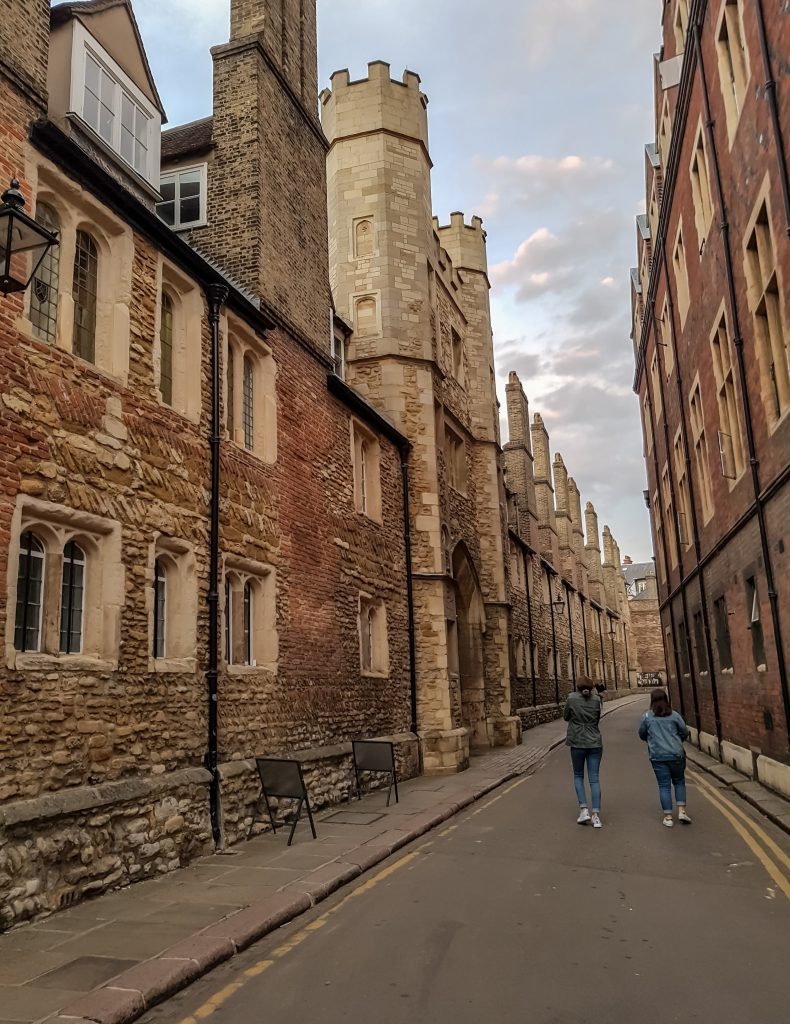
Having said all that about how Cambridgeshire isn’t just Cambridge, we really should include the town in any list of the county’s attractions. Over 800 years old — older than the Aztec empire — its ancient centre is home to colleges of sandstone quadrangles, medieval courts, libraries, and chapels.
Unlike Oxford, which is a major city as well as home to a university, Cambridge is a small town dominated by colleges and university buildings. Beyond the university buildings, the market square, museums, and narrow lanes offer a varied sense of the city’s past and present.
The best way to see the prettiest part of town is to punt down the River Cam, which flows through the centre. Punting along it gives a different perspective on the colleges’ backs and bridges.
2. Visit Ely and Its Cathedral
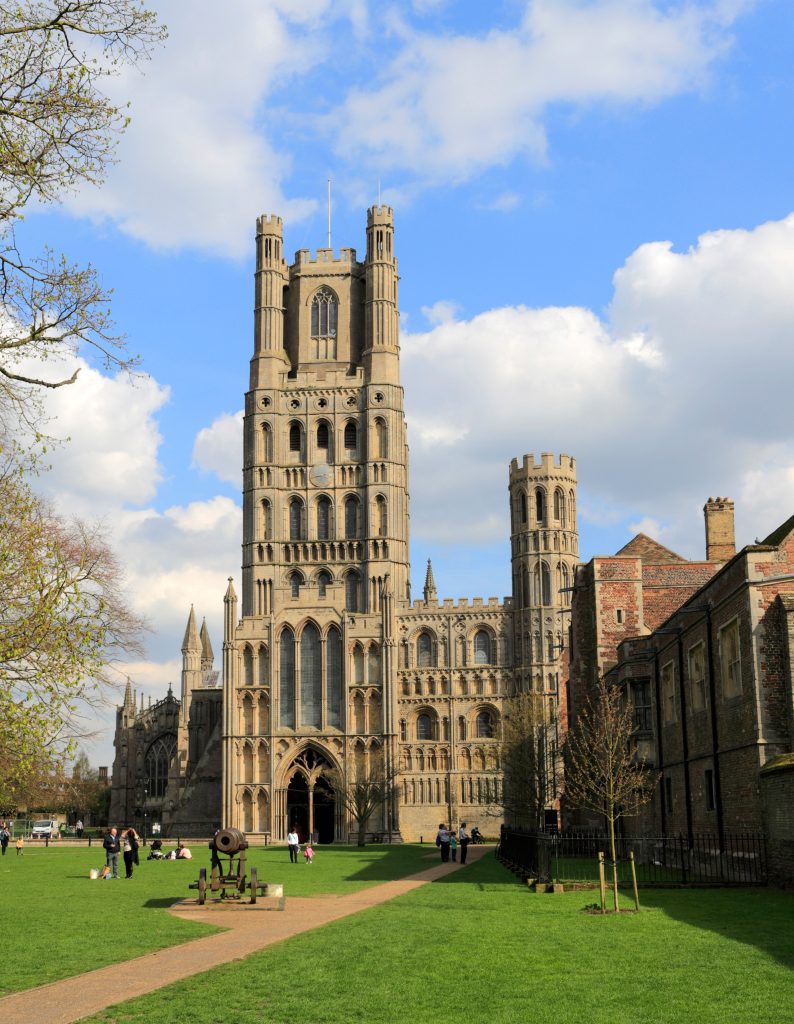
Ely, a small city set on the edge of the Fens, is dominated by its great cathedral. Known as the “Ship of the Fens,” the building rises above the flat landscape and has been a landmark for centuries. Inside, the octagonal lantern tower is an unusual feature, and the cathedral’s long nave and choir reflect its Norman and later Gothic design.
Ely itself retains a quiet character, with a riverside area and a few museums that explain its local history.
3. Walk Along the River at St Ives
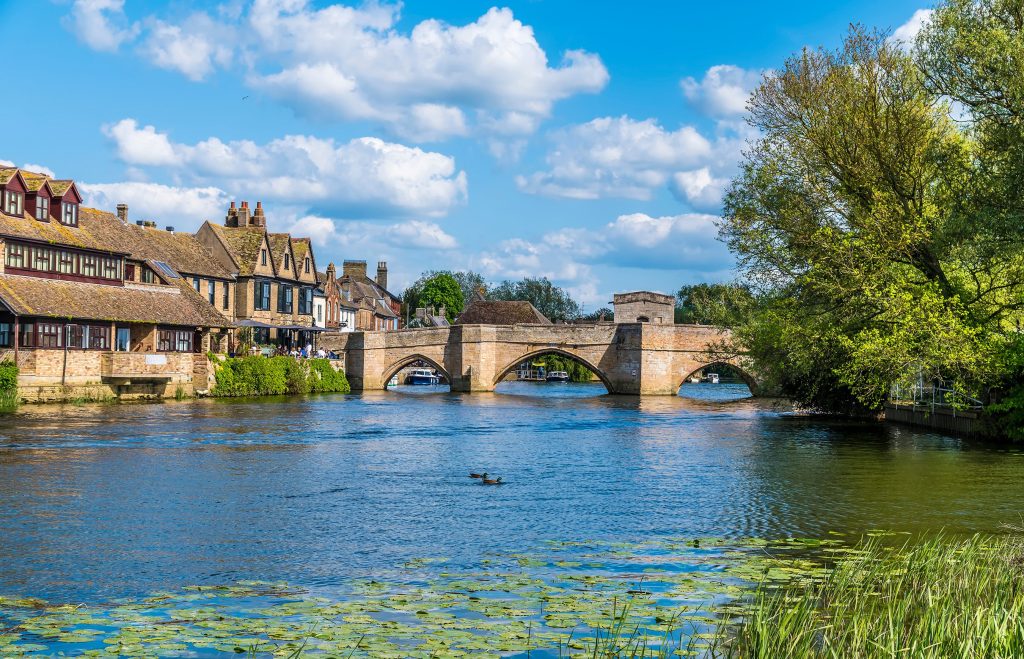
St Ives, west of Cambridge, grew as a market town and still shows its history in its medieval bridge and central square. The bridge, unusual for having a chapel built into it, spans the River Great Ouse.
Walking along the riverbank gives views of boats, meadows, and waterfowl, while the town’s markets continue to attract visitors. It combines a sense of local tradition with an accessible riverside setting.
4. Experience Horse Racing at Newmarket

A bit of a cheat as it’s just over the border in Suffolk, Newmarket has long been the centre of British horse racing. The town hosts two major racecourses, the Rowley Mile and the July Course, both with regular meetings.
Racing has taken place here since the seventeenth century, and the presence of training yards, studs, and the National Horse Racing Museum shows how deeply the sport is rooted in the area. Even for those less involved in racing, the town’s history is worth learning about.
5. Discover Anglesey Abbey and Gardens
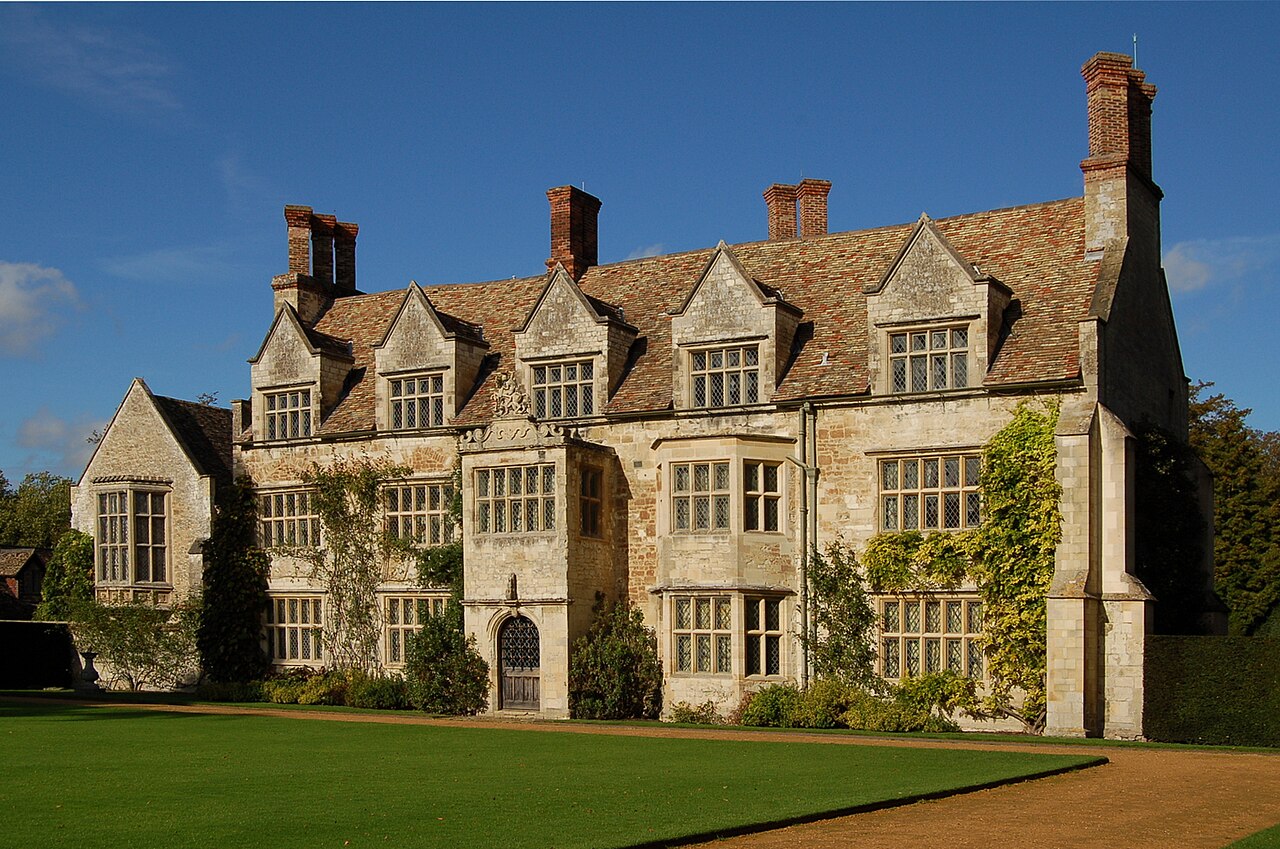
Anglesey Abbey, a former Augustinian priory converted into a country house, is now managed by the National Trust. The house itself contains collections of art and furnishings, but the gardens are equally significant.
Long avenues, woodland walks, and a winter garden make it a place to visit at different seasons. The working watermill on the estate adds to the sense of continuity between past and present.