
Daffodils, Blooms & More
Springtime in the English countryside is a riot of colour, new life on farms and the land waking up after the winter. The results can be seen everywhere, but the following places are especially great to experience a rural spring in England.
Farndale Daffodil Walk
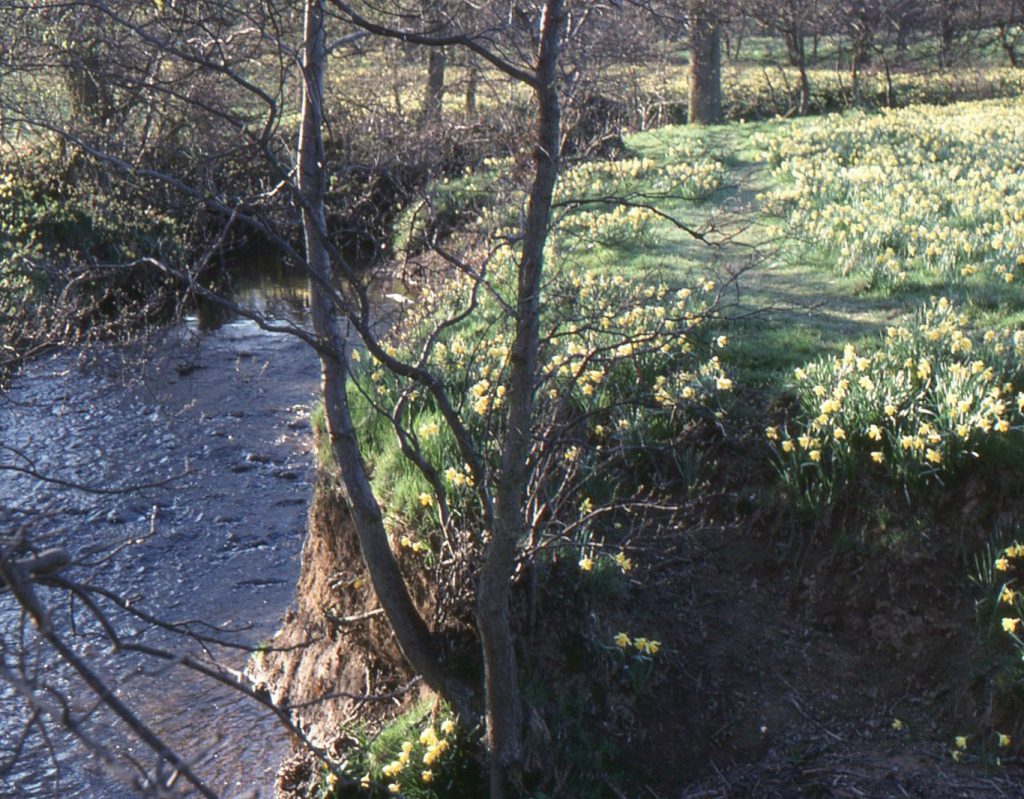
The wild daffodils of Farndale have been drawing visitors to this North York Moors valley, about twenty-five miles north of York, since Victorian times. The flowers have been protected within a nature reserve since 1955.
They appear along a seven-mile stretch of the River Dove from mid-March to mid-April — smaller and more delicate than the cultivated sort, growing in loose drifts through the meadows and along the riverbanks. The main walking route follows a gentle three-and-a-half-mile path beside the water, mostly level with several gates.
There’s parking at Low Mill, and the Daffy Caffy at High Mill does a decent cup of tea afterwards. Up to forty thousand visitors come during the short season, so if you prefer a quieter walk, aim for a weekday morning early in the bloom.
Exton Village, Rutland
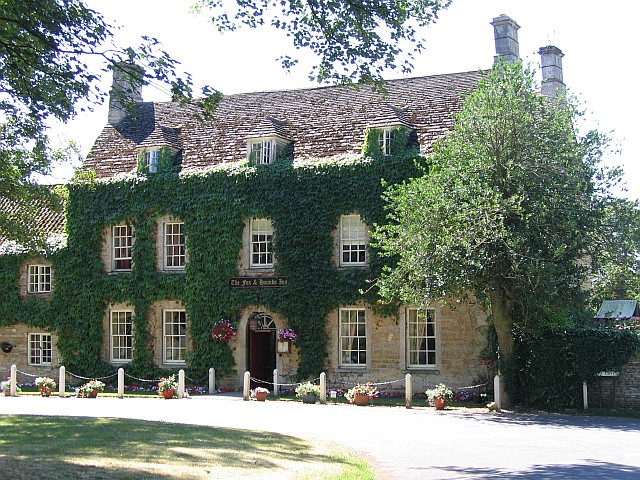
Exton sits five miles east of Oakham in Rutland, England’s smallest county and one of its least visited. The village centres on a tree-planted green surrounded by stone cottages, many over three hundred years old, with traditional thatched roofs. The Fox and Hounds overlooks the green.
St Peter and St Paul’s Church, set within Exton Park, contains a notable collection of sixteenth- to eighteenth-century monuments to the Harrington and Noel families — some of the best church sculpture in England, and largely unknown outside the county.
Nearby, Barnsdale Gardens were created by Geoff Hamilton of the BBC’s Gardeners’ World, and lie close to Rutland Water. Walking routes follow the surrounding countryside and the reservoir shore, and the area sits on the Viking Way long-distance trail. It rewards the traveller who goes a little off the main road.
The Farne Islands
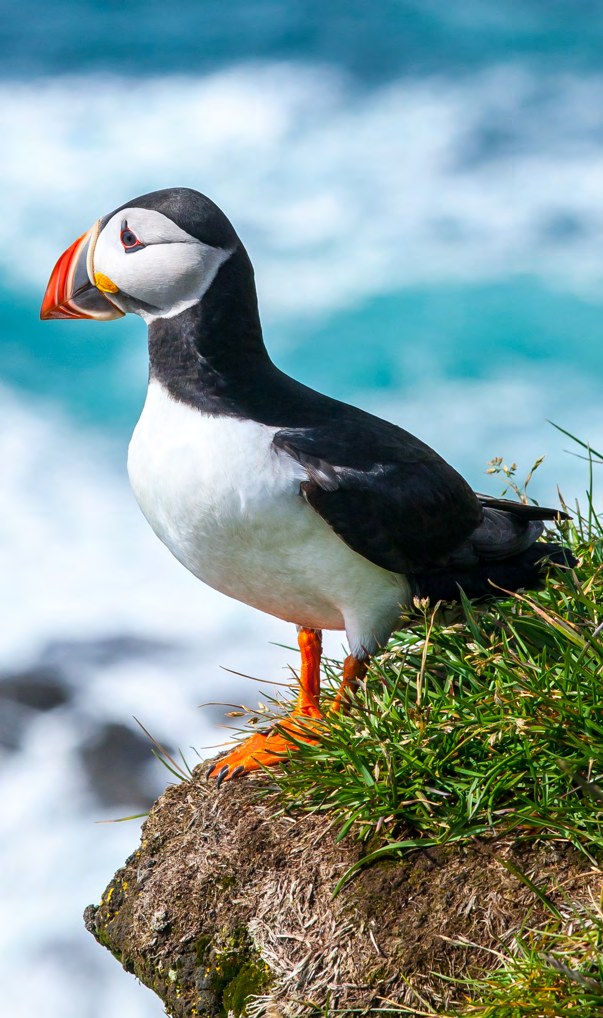
If you were to survey the British on their favourite bird, the puffin would be high up the list. In a country with often dowdy, brown birds, the puffin’s colourful beak is a welcome anomaly. One of the best places to see the puffins is the Farne Islands.
Two miles off the Northumberland coast, near the fishing village of Seahouses, the twenty-eight Farne Islands host around two hundred thousand seabirds each spring, including roughly forty-three thousand pairs of puffins. The puffins arrive from April and stay through late July, with May and June being the peak breeding months.
Boat trips run from Seahouses harbour, and you can land on Inner Farne from April, where boardwalks take you in among the nesting birds — Arctic terns, guillemots, razorbills, kittiwakes, and the puffins themselves. Wear a hat: the terns are protective of their nests and will dive-bomb. St Cuthbert’s Chapel, dating from medieval times, sits on Inner Farne.
The islands are managed by the National Trust, and over two thousand grey seals haul out on the rocks below. National Trust members land free, though boat tickets cost extra.
Brecon Beacons National Park
Strictly speaking the Brecon Beacons are in South Wales rather than England, but the magazine has always taken a generous view of borders, and this is worth including. The park covers five hundred and twenty square miles, with Pen y Fan reaching 2,907 feet as the highest peak in southern Britain.
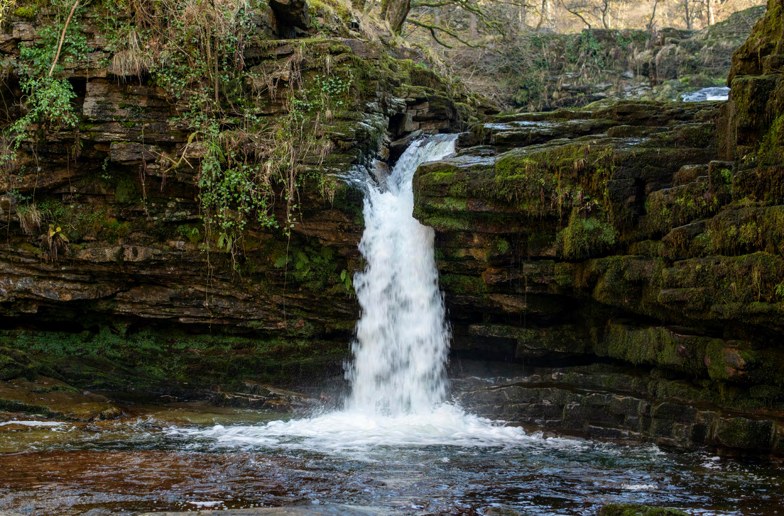
In spring the woodland floors show wood anemones, lesser celandines and bluebells from March through May, and wild garlic grows in the damp hollows. Pwll-y-Wrach Nature Reserve near Talgarth has a waterfall where the River Enig drops into a wooded gorge.
Waterfall Country near Ystradfellte is particularly good in spring when the mosses and ferns are at their greenest. The market towns of Brecon, Crickhowell and Abergavenny make sensible bases.
Fountains Abbey, Yorkshire
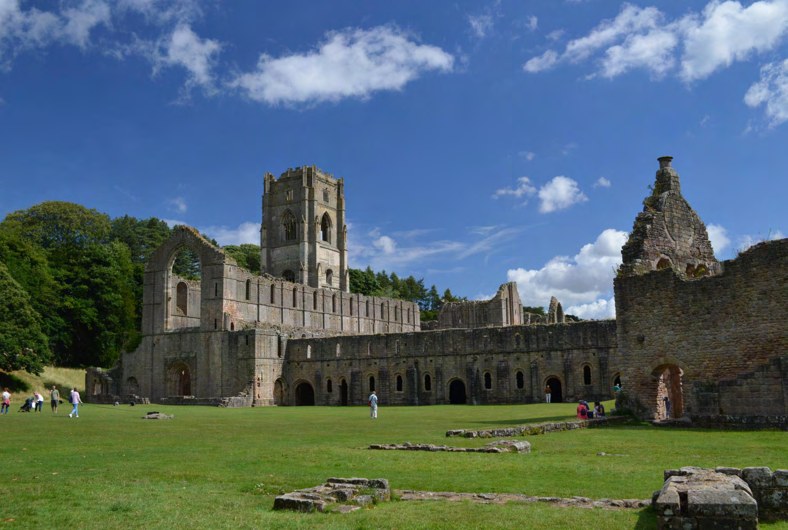
Fountains Abbey sits in a wooded valley beside the River Skell near Ripon. Founded in 1132 by Cistercian monks, the ruins are remarkably extensive — the abbey church still stands almost to its full height, and you can trace the layout of the cloisters, the cellarium, and the infirmary hall.
The site forms part of the Studley Royal estate, an eighteenth-century water garden, and the whole property earned UNESCO World Heritage status in 1986. The estate covers eight hundred acres, including a medieval deer park. St Mary’s Church, a Victorian Gothic building designed by William Burges, stands within the deer park. You could comfortably spend a full day here.
Clumber Park Bluebell Woods
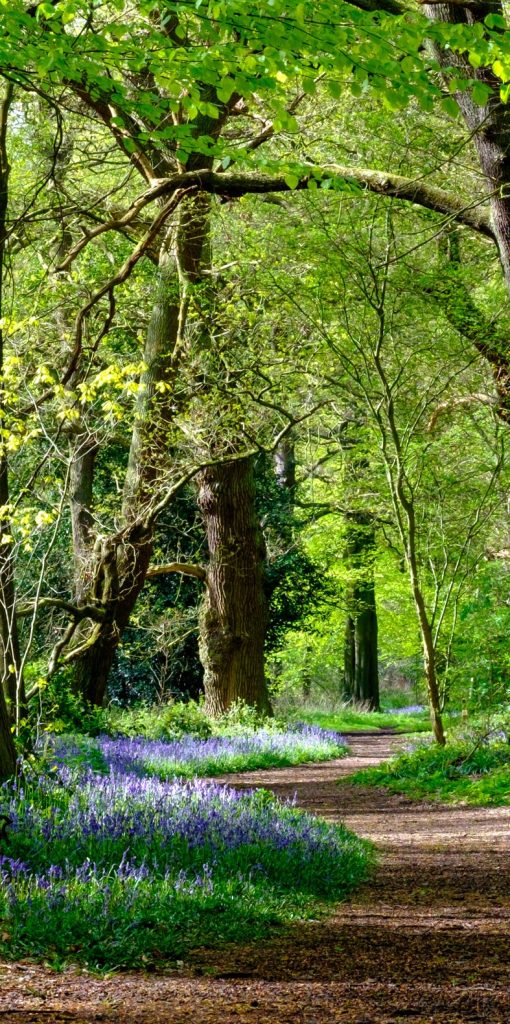
Clumber Park covers three thousand eight hundred acres near Worksop in Nottinghamshire, and was once the seat of the Dukes of Newcastle. The great house is long gone — demolished in 1938 — but the landscape remains, and in late April and May the ancient woodland carpets itself in bluebells.
Hardwick Wood has particularly dense displays, and there’s a designated walking route called the Bluebell Woods of Clumber that passes through the best of it. The park also has an eighty-seven-acre serpentine lake, a four-acre walled kitchen garden with the longest glasshouse in the National Trust, and St Mary’s Church, a Gothic Revival chapel that seems slightly out of scale with its surroundings.
Twenty miles of walking and cycling routes thread through the estate. Bike hire operates at weekends and school holidays. Car parking is free for National Trust members. A lovely place to visit year round, but especially during the spring — for all those bluebells.
Crabbing in Cromer, Norfolk
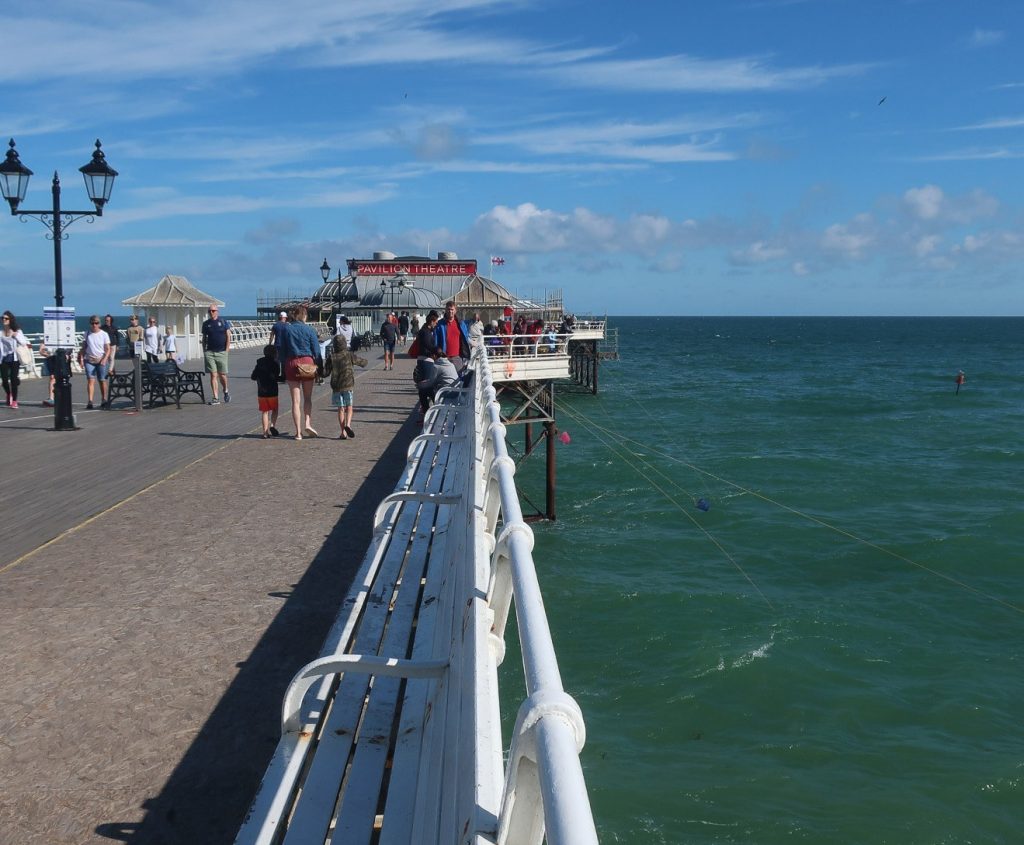
A bit of a different springtime experience is crabbing in Norfolk, especially in Cromer, on the North Norfolk coast, known for its brown crabs, which feed on the chalk reefs offshore. For visitors in spring, the iconic local experience is crabbing from the pier — or “gillying,” as the locals call it.
The season runs from March through July, with May being peak time. You drop a baited line from Cromer’s Victorian pier or from the beach, wait for a tug, and pull up a common shore crab. Lines, weights and buckets can be bought from shops in town. All caught crabs go back to the sea unharmed.
The pier itself is a solid piece of Victoriana, home to the Pavilion Theatre, and the town has good crab in its restaurants and cafés. Cromer hosts the World Pier Crabbing Championships each August bank holiday. Other crabbing spots in Norfolk include Blakeney Quayside and Wells Harbour.
Chiddingstone, Kent
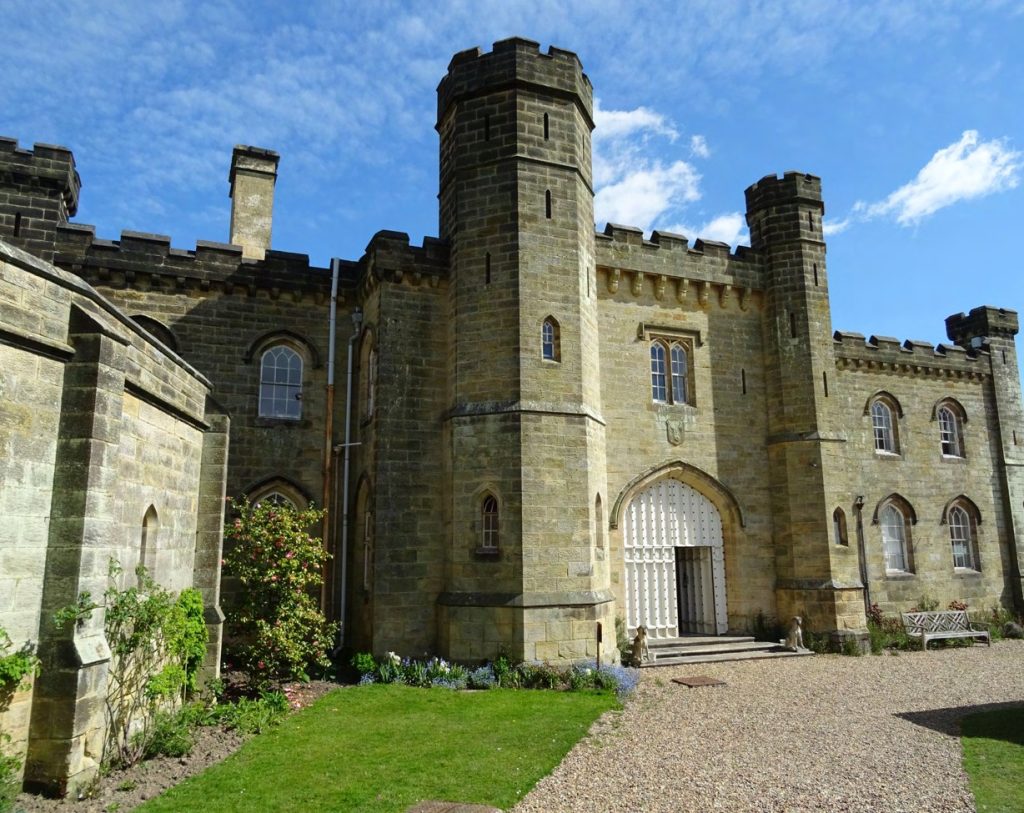
Chiddingstone, in the High Weald near Edenbridge, is one of the most complete Tudor villages in England. The National Trust purchased the entire street in 1939 to preserve it, and what you find is a single row of half-timbered buildings from the fifteenth century, including the Castle Inn, which has been serving drinks since before 1420. The old post office dates to 1453 and was once owned by Thomas Boleyn, father of Anne. St Mary’s Church is mainly fourteenth and fifteenth century, rebuilt in 1629 after a lightning strike.
In spring, the grounds of Chiddingstone Castle fill with daffodils and cherry blossom, followed by bluebells. The castle itself — more of a country house in Gothic dress — contains collections of Japanese, Egyptian and Stuart artefacts.
A large sandstone outcrop outside the village called the Chiding Stone gives the place its name, and was supposedly where nagging wives were brought to be publicly shamed, though one suspects that story has been embellished with the telling over the years.
Beaulieu, New Forest
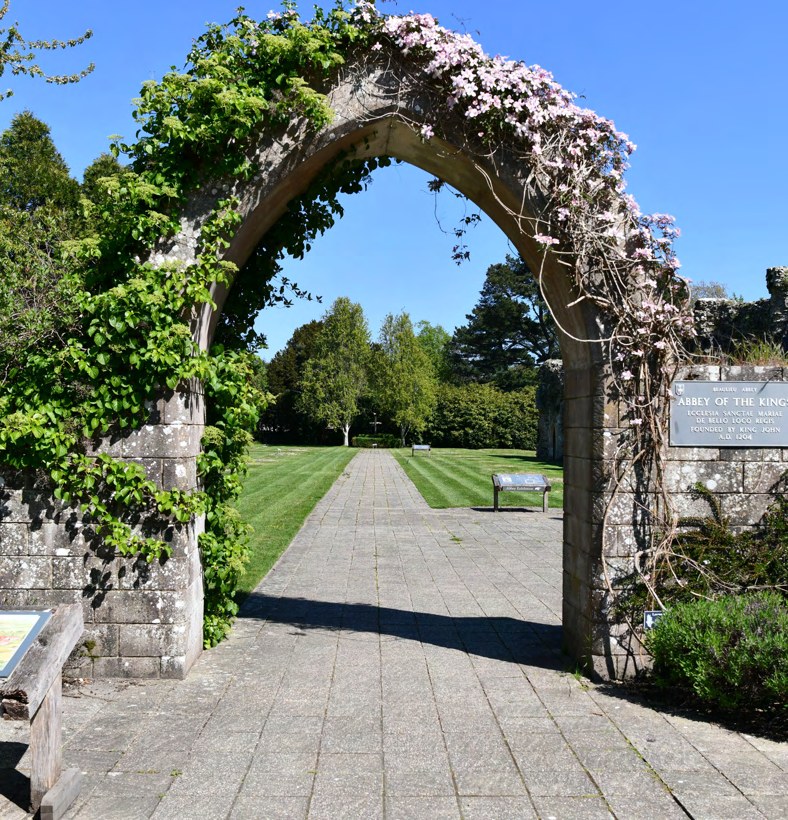
Beaulieu sits at the head of the tidal Beaulieu River on the southern edge of the New Forest in Hampshire. The village grew up around Beaulieu Abbey, founded in 1204 by Cistercian monks on land given by King John — apparently as penance for having taxed the Cistercians rather heavily.
In spring, the appeal of Beaulieu is largely the New Forest itself: free-roaming ponies and donkeys in the village, the Mill Pond reflecting Palace House, and walking and cycling routes that follow the river downstream to Buckler’s Hard, a Georgian shipbuilding village two miles away.
Evesham Blossom Trail
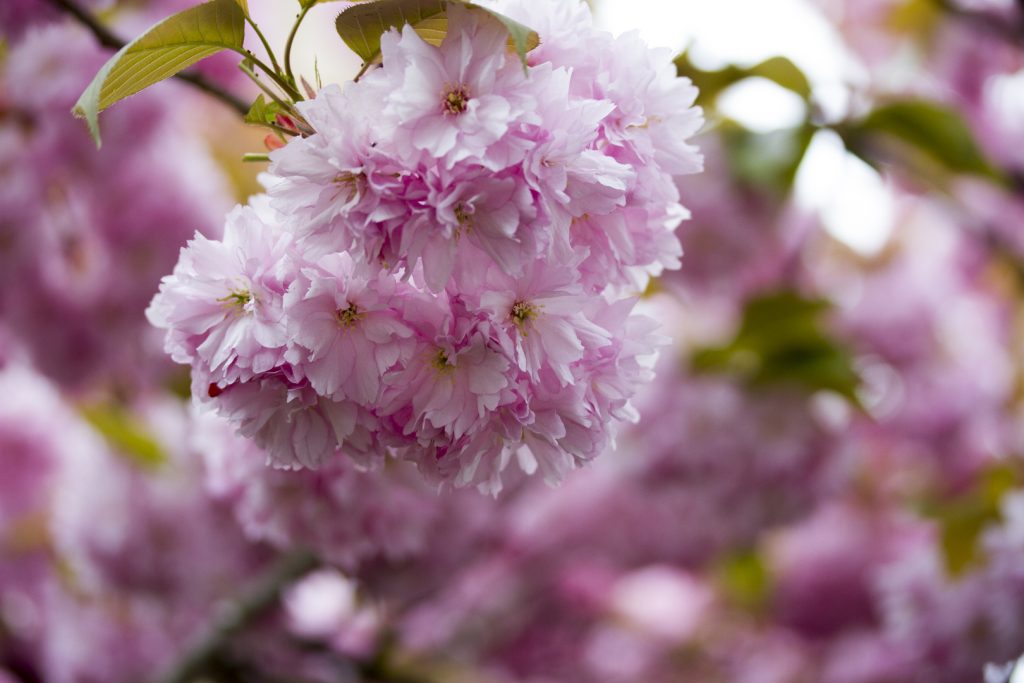
The Vale of Evesham has been fruit-growing country since medieval times, and each spring the orchards put on a good show. The Blossom Trail runs for fifty-five miles through Worcestershire, signposted between Worcester, Pershore and Evesham, and from mid-March to mid-May the landscape is a succession of cherry, plum, apple and pear blossom in soft pinks and whites.
Different varieties flower at different times, so the display shifts as the weeks pass. You can follow the trail by car, by bicycle along National Cycle Route 442, or on foot. The market towns along the way are worth a stop — Pershore and Broadway in particular — and the farm shops sell local produce, including the famous Vale of Evesham asparagus from April to June.