
London is full of fantastic famous buildings such as the Houses of Parliament, Westminster Abbey, and Buckingham Palace (many of which we highlighted here).
But it’s also home to some less well known architectural gems, the best of which are here…
London Architecture: Hidden Gems
1. Abbey Mills Pumping Station, Stratford

It seems a bit strange to start this series with what is in effect a sewage farm, but this delightful pumping station is a hidden gem of Victorian architecture.
2. Somerset House

Just off the Strand in central London is the imposing Somerset House. Formerly home to several Government Departments, it now hosts several arts and other bodies, including the world-famous Courthald Gallery.
3. Imperial War Museum

The Imperial War Museum was originally set up to commemorate the First World War and the British Empire soldiers’ exploits. The building was originally a hospital but was rebuilt in the early 1800s with its imposing cannons.
The museum’s mission has recently been amended to “provide for, and to encourage, the study and understanding of the history of modern war and ‘wartime experience.”.
4. Battersea Power Station

This disused power station was built during the art deco boom of the 1930s. It has lain unused for the past 30 years but is now getting a new lease of life with a major redevelopment of apartments and shops.
5. Banqueting House, Whitehall

The only remaining part of Henry VIII’s Whitehall Palace was one of the first buildings of the neo-classical style in England.
6. Guildhall

The ceremonial and administrative centre of the City of London and its Corporation, construction began on this ancient building in 1411.
7. BBC Broadcasting House
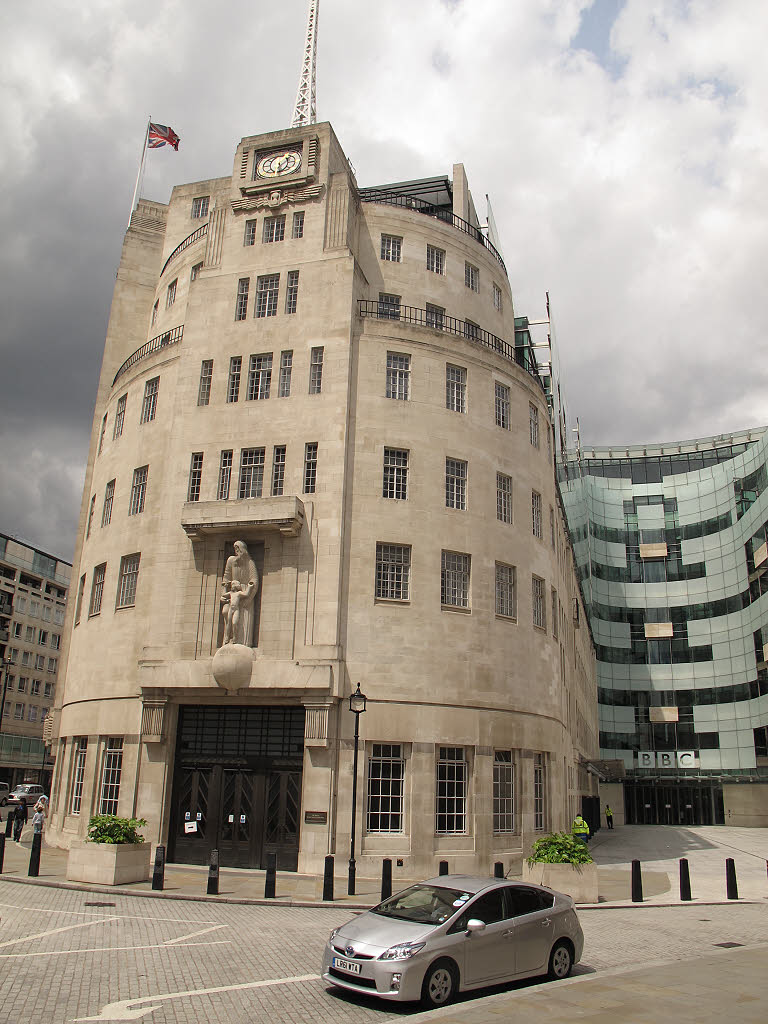
Home to one of the UK’s great institutions, the BBC, Broadcasting House was built in the art deco style in the 1930s.
8. Liberty

One of London’s many world-famous department stores, Liberty’s distinctive store was built at the height of the 1920s fashion for Tudor revival.
9. St Pancras Station

George Gilbert Scott’s gothic masterpiece is actually a hotel built above the main St Pancras railway station in the late 1800s.